
Silver’s Second Act
The ancient metal powering a modern price revolution
A Currency That Outlived Empires
https://www.timesofisrael.com/2200-year-old-coin-hoard-gives-hard-proof-of-book-of-maccabees-say-archaeologists/
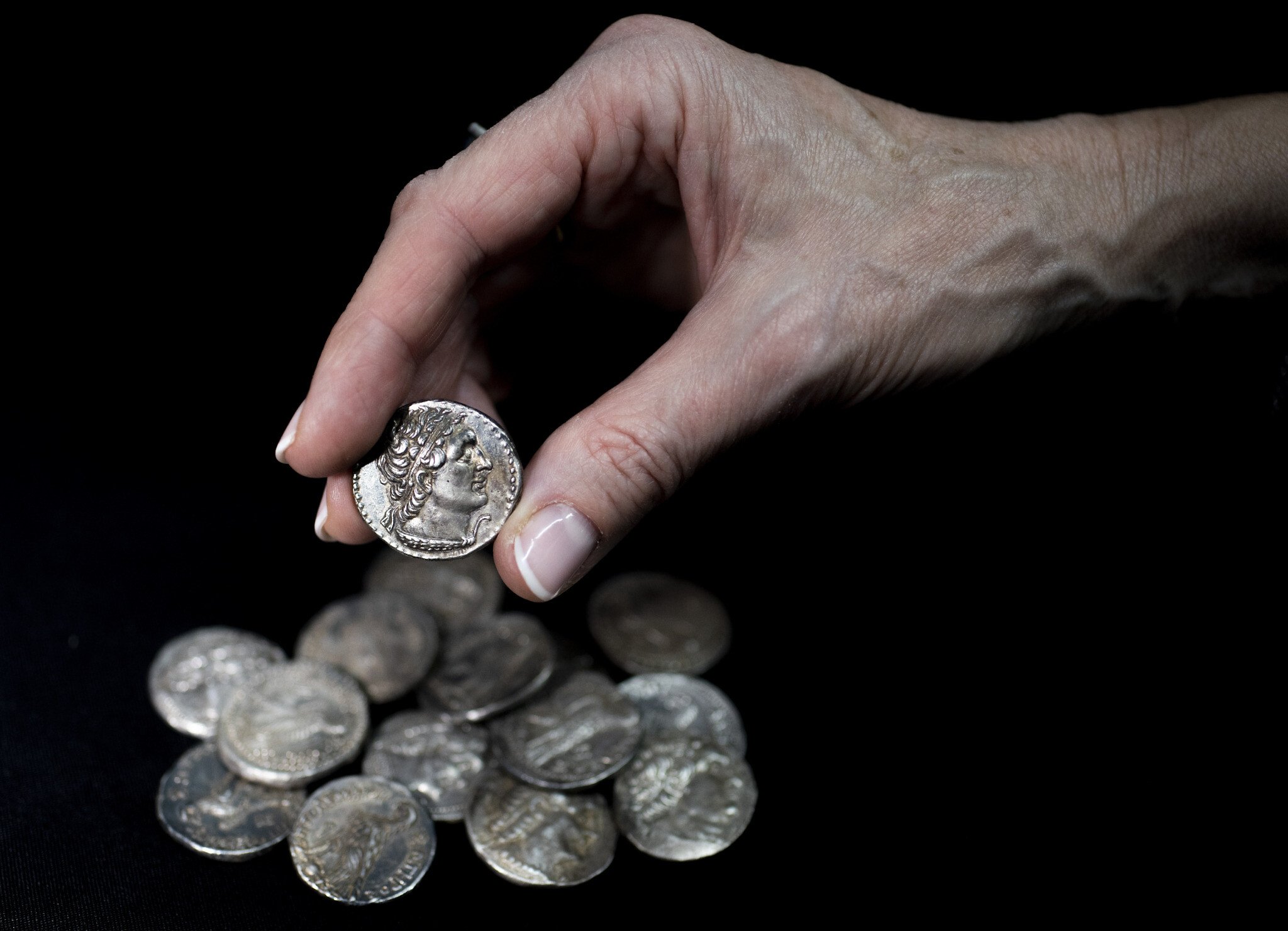
For most of human history, silver was not just valuable — it was money itself. Empires from Rome to China built economies around silver coins, and well into the 20th century many currencies still relied on precious metals. Prices moved slowly because governments tightly controlled supply.
That stability ended when global financial systems modernised. As silver shifted from monetary anchor to traded commodity, its price began to mirror the mood of markets — rising with optimism, collapsing with crisis.
The Moment Volatility Was Born

https://www.miningvisuals.com/post/a-100-year-journey-deconstructing-the-key-events-in-silver-s-price-history
The 1970s unleashed a new era. Inflation fears and speculative trading sent silver soaring toward $50 per ounce in 1980 before a dramatic crash reshaped the market’s reputation.
Since then, silver has behaved less like a stable store of wealth and more like a high-beta asset — capable of long quiet periods followed by explosive rallies. A second major surge arrived in 2011, when investors turned to precious metals after the global financial crisis.
“Silver doesn’t move slowly — it waits, then surprises.”
Technology’s Quiet Dependence on Silver

Unlike gold, silver’s future is tied as much to factories as to finance. Its unmatched electrical conductivity makes it essential for solar panels, electronics, and emerging green technologies.
This industrial demand has transformed the metal into a hybrid asset: part safe-haven investment, part strategic resource. When economic growth accelerates, manufacturers push prices higher. When uncertainty rises, investors do the same.
2026: A Market Running Hot
https://www.stonex.com/en/commodities/precious-metals/
Early 2026 finds silver near historic highs. Prices have recently traded around $80–$90 per ounce, after a rapid rally briefly pushed the metal close to $120 — levels unimaginable only a few years ago.
Three forces dominate the current narrative:
- Industrial demand driven by renewable energy expansion
- Safe-haven buying during economic and political uncertainty
- Supply tightness, which amplifies every surge in demand
The result is a market defined by speed. Daily swings can be sharp, reinforcing silver’s reputation as one of the most volatile major commodities.
The Future: Stability or Another Spike?
Silver’s long history suggests a repeating pattern: extended calm followed by dramatic re-pricing. Today’s combination of green-energy demand and investor speculation could keep prices elevated — but history also warns that rapid climbs often lead to equally fast corrections.
What remains constant is silver’s ability to reinvent itself. Once a coin in ancient marketplaces, it is now a critical component in the world’s technological transition.
And if its past is any guide, the next chapter of silver’s price story is unlikely to be quiet.